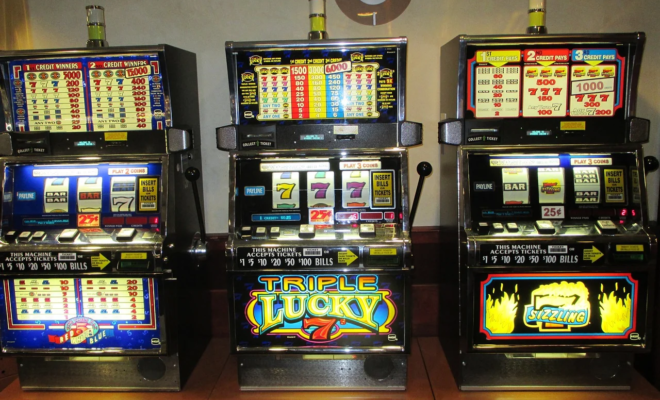

How to Gamble Safely and Responsibly

Gambling can be an enjoyable and thrilling activity when approached with discipline and awareness. However, without proper safeguards, it can quickly lead to financial strain, emotional distress, and even addiction. Learning how to gamble safely and responsibly ensures that you remain in control and treat gambling purely as entertainment—not a way to make money or escape stress.
Why Responsible Gambling Matters
Responsible gambling is essential for maintaining balance. It protects your finances, mental health, and relationships. When approached carelessly, gambling can develop into a pattern of risk-taking that becomes difficult to manage. Responsible gambling practices encourage self-control, informed decision-making, and awareness of potential harm before it escalates.
Responsible gamblers understand that:
- The outcome of every game is random and not influenced by previous results.
- Winning is never guaranteed, and losses are a normal part of gambling.
- The goal is enjoyment, not income.
When gambling responsibly, you stay in charge of your behavior, limits, and emotions. It’s about maintaining control even in the face of excitement and temptation.
Core Principles for Safer Gambling
Understand the Odds and Game Rules
Before placing any bet, make sure you fully understand the game’s rules, mechanics, and payout structure. Each game comes with its own house edge, meaning the odds are always tilted in favor of the operator over time. Knowing this helps you play with realistic expectations.
Avoid falling for common myths such as “hot streaks” or “lucky machines.” These are examples of the gambler’s fallacy, where players falsely believe that past outcomes influence future ones.
Set Firm Financial Boundaries
One of the most effective ways to gamble safely is by setting clear financial boundaries. Decide how much money you can afford to lose before you start. This should always be disposable income—money that is not needed for rent, food, or bills.
Tips for managing your gambling finances:
- Set both loss limits and deposit limits.
- Never chase losses by betting more to recover.
- Separate your gambling funds from your main bank account.
- Use cash rather than credit cards to avoid overspending.
Remember: gambling with borrowed money or using credit cards can lead to a dangerous financial spiral.
Control Your Time and Frequency
Time is just as important as money when it comes to gambling responsibly. Long or frequent gambling sessions can lead to poor decisions and loss of perspective. Setting time limits ensures that gambling stays a recreational activity.
Guidelines to follow:
- Schedule gambling sessions and stick to a strict end time.
- Take regular breaks during play.
- Avoid gambling multiple times a week—space out your sessions.
- When you reach your time limit, stop regardless of whether you’re winning or losing.
Use Built-In Responsible Gambling Tools
Modern gambling platforms and casinos offer tools to help you maintain control. Use them to your advantage. These include:
- Deposit and loss limits: Restrict how much you can spend over a set period.
- Session reminders: Pop-up alerts that remind you how long you’ve been playing.
- Reality checks: Messages that encourage you to evaluate your gambling activity.
- Self-exclusion: A feature that lets you block access to gambling sites or venues for a chosen time.
Activating these safeguards can help you avoid impulsive behavior and stay mindful of your actions.
Stay Aware of Your Emotions
Emotions play a huge role in gambling decisions. Many people gamble more when they’re stressed, anxious, or excited. Responsible gambling requires emotional awareness. Never gamble when you’re upset, intoxicated, or desperate to win back losses.
Keep these principles in mind:
- Play only when you feel calm and focused.
- Don’t use gambling to escape boredom or emotional pain.
- Recognize signs of frustration or obsession and take a break immediately.
How to Plan a Safe Gambling Session
A structured plan helps you maintain discipline and prevent impulsive choices. Follow these steps for each gambling session:
- Decide on a budget and time limit before you start.
- Set a clear goal: entertainment, not profit.
- Use only one payment method with a fixed balance.
- Track your wins and losses to maintain transparency.
- Stop immediately when your limit or time is reached.
- Review your behavior afterward to see if you stayed within your rules.
Consistency builds responsible habits. Over time, you’ll develop stronger self-control and clearer awareness of your limits.
Recognize Early Warning Signs
Responsible gamblers know when to step back. Watch for these red flags that may indicate unhealthy gambling behavior:
- Spending more time or money than intended.
- Chasing losses and increasing bet sizes.
- Hiding gambling activity from family or friends.
- Neglecting work or personal responsibilities.
- Feeling guilt, anxiety, or depression after gambling.
Acknowledging these signs early allows you to take corrective action before things worsen.
Managing Urges and Emotional Triggers
It’s natural to feel tempted to gamble more after a win or loss. Responsible gambling means knowing how to handle these urges without acting impulsively. Try these methods:
- Delay your response—wait 15–30 minutes before placing another bet.
- Engage in another activity, such as exercise or a hobby.
- Keep gambling apps and websites blocked during non-gambling hours.
- Talk to a trusted friend or loved one about your goals.
You can also use mindfulness techniques to remain aware of your emotions and prevent them from driving your decisions.
Institutional and Legal Support Systems
In the United States, responsible gambling initiatives are supported by both government and private organizations. Casinos and betting platforms are required to implement measures such as:
- Prominent display of responsible gambling information.
- Staff training to identify problem gambling behaviors.
- Tools for customers to set limits or self-exclude.
- Partnerships with helplines and mental health organizations.
These programs aim to ensure that gambling remains a controlled and transparent activity. When choosing where to gamble, look for platforms that prioritize player protection, offer support resources, and follow responsible gaming regulations.
How to Seek Help When Needed
If gambling begins to affect your life, reaching out for help is a courageous and necessary step. Professional and peer support can make recovery possible. You can seek assistance from:
- Licensed counselors specializing in gambling addiction.
- Support groups where you can connect with others who’ve faced similar struggles.
- National helplines that offer free and confidential advice.
- Self-exclusion programs to take an enforced break from gambling environments.
Remember, seeking help is not a sign of weakness—it’s a sign of strength and awareness.
Maintaining Long-Term Control
Responsible gambling isn’t just about a single session—it’s about long-term habits that protect your well-being. To sustain control:
- Regularly review your spending habits and limits.
- Reflect on your motivations for gambling.
- Reward yourself for sticking to your limits.
- Balance gambling with other enjoyable activities like sports, travel, or socializing.
Creating a healthy lifestyle balance ensures that gambling stays in its rightful place—as a minor form of entertainment, not a primary focus.
Real-Life FAQs About Responsible Gambling
Q: Can setting gambling limits really prevent addiction?
Yes. Setting clear deposit and loss limits prevents overspending and helps you recognize when gambling begins to interfere with financial stability. Limits reinforce discipline and keep the experience controlled.
Q: What should I do if I exceed my gambling limits?
Stop immediately and take a cooling-off period. Reflect on what triggered the overspending and consider enabling stricter limits or a self-exclusion feature to prevent recurrence.
Q: Are certain games more addictive than others?
Fast-paced games with quick outcomes, such as slots or instant betting, tend to be more addictive because they provide rapid feedback loops. Slower games like poker or blackjack usually allow more time for reflection.
Q: Is online gambling riskier than in-person gambling?
Online gambling can be riskier because of its accessibility and anonymity. It’s easier to lose track of time and money when playing online, so digital safeguards are especially important.
Q: How can I support a loved one struggling with gambling issues?
Offer empathy, not judgment. Encourage open communication, suggest professional help, and help them set boundaries. Never lend money to cover gambling debts—it can worsen the problem.
Responsible gambling is about mindfulness, boundaries, and awareness. When you prioritize safety, you turn gambling from a potential risk into a controlled and enjoyable pastime. By setting limits, managing emotions, and staying informed, you ensure that gambling remains a choice—not a compulsion.