
Bingo: Understanding the Game and Its Enduring Popularity
Bingo is a familiar game that has entertained people for generations. Its straightforward format, quick learning curve, and unpredictable results make it suitable for casual gatherings, community events, and recreational play. While the traditional version remains popular, modern variations have introduced new formats that give the game a fresh appeal.
At its heart, bingo is about matching randomly selected numbers with numbers printed on a player’s card. The objective is usually to complete a specific pattern before other participants. Because the rules are simple, players can focus on the excitement of each call rather than learning complicated techniques.
What Is Bingo?
Bingo is a number-matching game based largely on chance. Players receive cards containing numbers arranged in a grid. A caller or digital system randomly selects numbers, which are announced to everyone participating.
Whenever a called number appears on a player’s card, it can be marked. The game continues until someone completes the required pattern and declares a win.
Different versions may use different card layouts and winning conditions. Some games require a single line, while others may involve several lines, special shapes, or a completed card.
Why Bingo Is Easy to Learn
One reason for bingo’s lasting popularity is its accessibility. New players can usually understand the basic rules within a few minutes.
Unlike games that require extensive knowledge or advanced strategy, bingo mainly requires attention and familiarity with the particular rules being used. Players simply listen for numbers, check their cards, and mark the matching spaces.
This makes bingo suitable for a wide range of settings. It can be enjoyed by beginners alongside experienced players without creating a significant learning gap.
The Excitement of Every Number
Although bingo has simple mechanics, each round can create considerable anticipation. A player may have several numbers marked and need only one more to complete the required pattern.
When the next number is announced, it may either bring the player closer to winning or have no effect at all. This uncertainty keeps participants engaged throughout the game.
The excitement often increases toward the end of a round. As more numbers are called, players may find that their cards are getting closer to the required pattern, making every announcement feel more significant.
Different Ways to Play Bingo
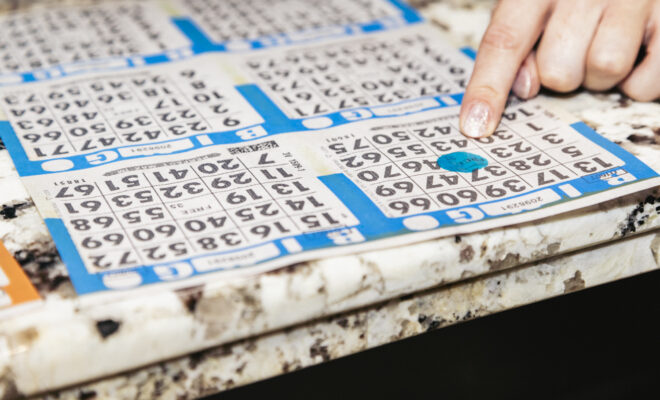
Bingo has developed into several formats over the years. Traditional games are often played with physical cards, markers, and a caller. This format remains popular at social events and organized gatherings.
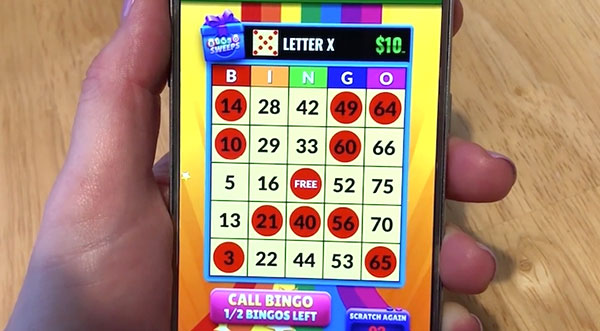
Digital bingo provides another option. Electronic platforms can generate cards, display called numbers, and help players keep track of their progress. This can make the game convenient for people who prefer using digital devices.
Themed bingo is another variation. Organizers may design games around holidays, entertainment, music, education, or community events. The theme can change the presentation while keeping the familiar matching concept.
Bingo and Social Interaction
Bingo is often more than a game. In many settings, it provides an opportunity for people to spend time together.
Community bingo sessions can create a friendly environment where participants meet, talk, and share the excitement of each round. The collective reaction to an important number can make the experience feel more engaging than playing alone.
For event organizers, bingo can also be an easy activity to include in a larger gathering. It requires relatively little explanation and can accommodate groups of different sizes.
Important Features of a Good Bingo Game
A well-organized bingo session usually depends on a few basic elements:
- Clear instructions before the game starts
- Easy-to-read cards
- Accurate number calling
- Clearly defined winning patterns
- Consistent rules for checking wins
- A comfortable environment for participants
Good organization helps prevent confusion and allows players to concentrate on enjoying the game.
Is There a Strategy to Bingo?
Because numbers are selected randomly, players cannot reliably predict which numbers will be called. This means bingo is primarily a game of chance rather than a competition based on skill.
Players can improve their experience by paying attention, understanding the rules, and keeping their cards organized. However, these habits do not guarantee a win.
This is important because it keeps expectations realistic. Bingo should generally be viewed as entertainment, especially when money or prizes are involved. Participants should understand any costs and play within limits that are comfortable for them.
Why Bingo Continues to Attract Players
Bingo has survived changing entertainment trends because it offers something very simple: immediate participation. There is no need for lengthy preparation, specialized equipment, or extensive training.
Its social nature also gives it an advantage. People can enjoy the game while communicating with others, making it suitable for parties, clubs, community gatherings, and recreational events.
Modern technology has expanded its reach without removing the qualities that made traditional bingo appealing. Digital versions may look different, but the anticipation of waiting for the next number remains the same.
Final Thoughts
Bingo is a simple game with a surprisingly enduring appeal. Its combination of chance, anticipation, easy rules, and social interaction makes it enjoyable for many different audiences.
Whether played with traditional cards at a community event or through a modern digital format, the basic experience remains familiar. Players mark matching numbers, watch their cards develop, and wait to see whether they can complete the required pattern.
The simplicity of bingo is ultimately one of its greatest strengths. It allows people to participate quickly, enjoy the excitement of uncertainty, and share an entertaining experience with others.