
Slot: Understanding the Experience, Features, and Responsible Play
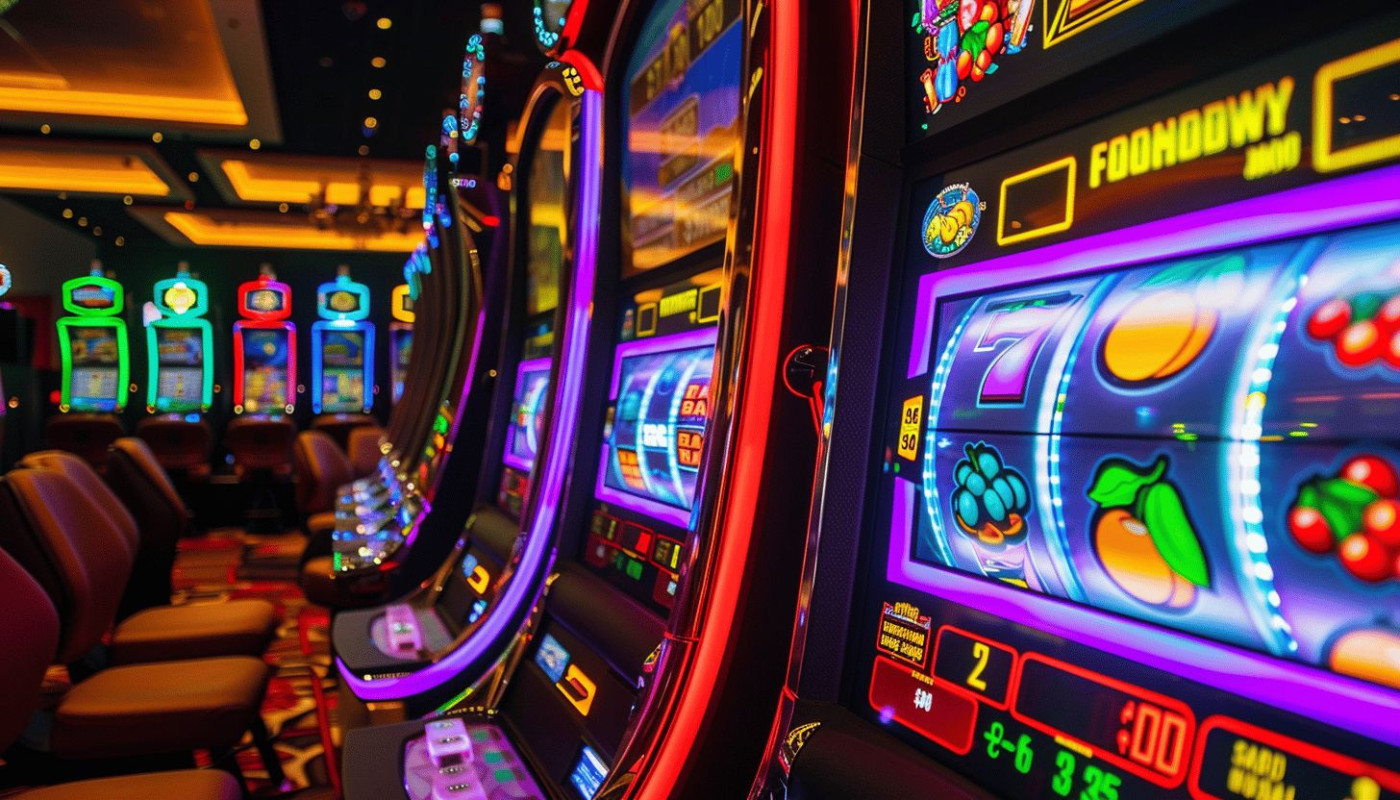
A slot is a familiar form of gaming entertainment that has changed significantly over time. Traditional machines once relied on physical reels and simple symbols, while modern versions can include digital displays, detailed graphics, animated effects, and interactive features. Despite these changes, the central idea remains simple: players activate a game, the symbols change, and the resulting combination determines the outcome according to the game’s rules.
The straightforward nature of slots makes them easy to understand. At the same time, the variety of designs available means that different games can offer noticeably different experiences.
What Is a Slot?
A slot game typically features a collection of reels containing symbols. When a round starts, the reels appear to spin or change before stopping at a new arrangement.
The symbols shown after the reels stop are then evaluated according to the game’s rules. Some combinations may produce a particular result, while others may not.
Modern slots can have different numbers of reels, symbols, and winning combinations. Some follow traditional layouts, while others use creative designs that provide alternative ways for combinations to appear.
The exact structure depends on the individual game, which is why understanding the rules is important before playing.
How Slots Have Evolved
The earliest slot machines were mechanical devices. Their physical reels contained relatively simple symbols, and players interacted with a small number of controls.
Electronic technology later made it possible to introduce more combinations and flexible game structures. Developers could create new designs without relying entirely on mechanical components.
Digital technology expanded these possibilities further. Modern games can feature:
- High-quality visual effects
- Themed symbols and backgrounds
- Animated sequences
- Sound effects
- Bonus sections
- Special symbols
- Multiple reel arrangements
This evolution has transformed the appearance of slots while keeping their fundamental concept recognizable.
The Importance of Random Outcomes
Randomness is one of the defining characteristics of slot gaming. Modern games generally use a random number generation system to determine the result of each round.
Each outcome is independent. Previous results do not create a reliable prediction for what will happen next.
For example, several unsuccessful rounds do not mean that a successful result is guaranteed to appear soon. Similarly, a previous winning result does not make another win more likely simply because it happened earlier.
Understanding this principle can help players maintain realistic expectations and avoid assuming that patterns can reliably predict future outcomes.
Why Slots Are Popular
Slots attract players for several reasons. One is their simplicity. A person who is unfamiliar with the format can usually understand the basic interaction quickly.
The visual design also contributes to the experience. Games can be built around many different themes, allowing players to choose presentations that appeal to their interests.
Other characteristics include:
- Simple controls
- Short individual rounds
- Wide design variety
- Easy-to-follow objectives
- Interactive features
- Different visual and sound styles
This combination allows slots to provide an accessible form of entertainment without requiring extensive preparation.
Themes and Visual Presentation
Modern slot games often use themes to create a distinctive identity. A game may be designed around adventure, nature, mythology, fantasy, technology, or another creative concept.
The theme can influence almost every aspect of the presentation. Symbols, backgrounds, animations, sounds, and bonus sequences may all be designed to fit the same setting.
This approach allows developers to make different games feel unique even when they share similar basic mechanics.
Special Symbols and Features
Many modern slots include features that add variety to individual rounds. These features can change how certain symbols behave or introduce additional game stages.
A wild symbol, for example, may substitute for another symbol under specific conditions. A bonus symbol may activate an additional feature when enough of them appear.
Some games may also use multipliers or special rounds. These features differ from one game to another, so players should always check the rules before starting.
Understanding the function of each symbol makes the game easier to follow and reduces confusion during play.
Skill, Chance, and Expectations
Slots are primarily based on chance. While players may make choices about which game to use or how much to spend, they cannot reliably control the symbols produced in a particular round.
This makes slots different from games where skill has a direct and substantial influence on the result.
Players should therefore avoid believing that a particular system can guarantee success. Betting patterns, previous outcomes, or personal guesses cannot reliably determine future random results.
A sensible approach is to treat the activity as entertainment rather than as a method of generating dependable income.
Responsible Participation
When real money is involved, setting reasonable boundaries is especially important. Players should decide how much they are comfortable spending before beginning and avoid exceeding that amount.
Useful practices include:
- Creating a fixed entertainment budget
- Avoiding spending money needed for essential expenses
- Taking regular breaks
- Never chasing losses
- Stopping when the activity stops being enjoyable
- Understanding the rules before participating
These habits can help keep recreational gaming within manageable limits.
Physical and Digital Experiences
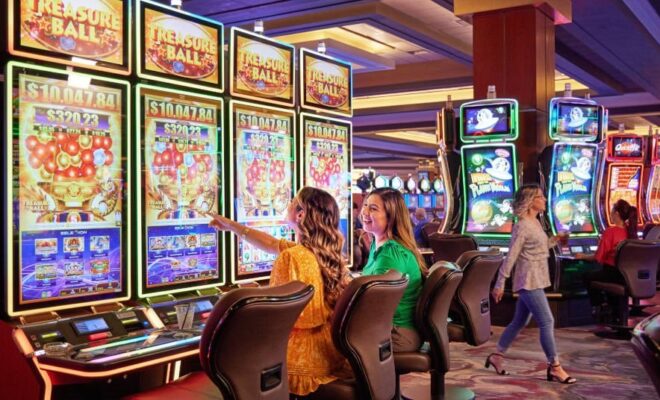
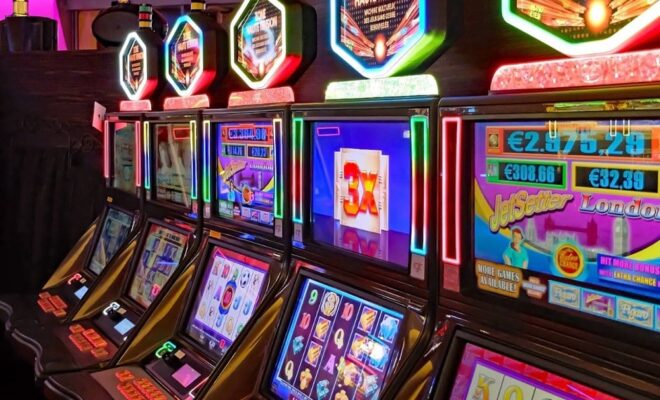
Physical slot machines remain a familiar feature of traditional gaming environments. Their mechanical or electronic components provide a tangible experience that many players recognize.
Digital slots offer greater flexibility in presentation. They can include advanced animations, changing themes, automatic information displays, and interactive features.
Neither format changes the fundamental role of chance. The difference mainly lies in how the game is presented and experienced.
What Makes a Good Slot Experience?
A positive gaming experience depends on more than attractive graphics. Clear rules, understandable features, reliable operation, and responsible participation all contribute to a better experience.
Players benefit from choosing games they understand rather than focusing only on appearance. Knowing the rules makes it easier to understand what is happening during each round.
It is also useful to remember that entertainment value should remain the primary reason for participating.
Conclusion
A slot is a simple gaming format that has developed from mechanical machines into sophisticated digital experiences. Its combination of straightforward interaction, varied themes, visual presentation, and random outcomes has helped it remain popular over time.
The most important feature to understand is that results are determined by chance. No strategy can reliably predict or guarantee a particular outcome.
When approached responsibly, slots can be viewed as a form of recreational entertainment. Understanding the rules, recognizing the role of randomness, and maintaining sensible personal limits can help players enjoy the experience without developing unrealistic expectations.