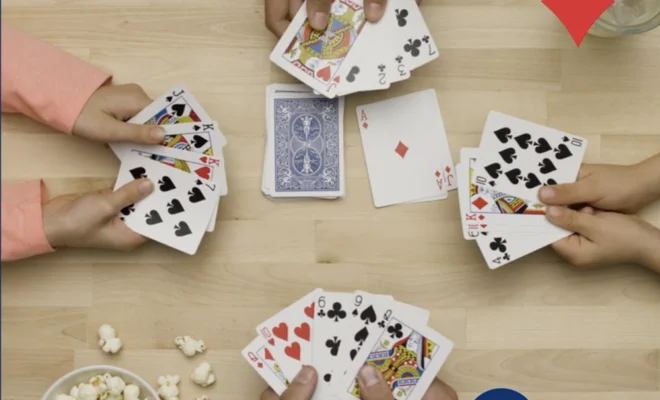

Card Game: A Simple Way to Enjoy Competition and Connection

A card game can turn an ordinary moment into an enjoyable experience. With a deck of cards, a few players, and a clear set of rules, people can create hours of entertainment without needing complicated equipment. Card games have remained popular across generations because they can be simple enough for beginners while still offering challenges for experienced players.
From traditional family games to modern competitive formats, cards can be used in countless ways. Some games depend mostly on chance, while others reward careful thinking and planning. Many combine both, giving players opportunities to make decisions while responding to unexpected situations.
What Makes a Card Game Appealing?
The main attraction of a card game is its flexibility. Players can choose an activity based on their interests, group size, and available time. A quick game can fill a short break, while a longer strategic game can become the main activity during a gathering.
Card games also have relatively simple requirements. Unlike activities that need large spaces or specialized equipment, most games require only cards and a suitable place to play.
The basic structure is usually easy to understand:
- Cards are distributed according to the rules.
- Players take turns or follow a specific sequence.
- Cards are played, collected, exchanged, or arranged.
- Players work toward a defined objective.
- The rules determine the final result.
This straightforward structure allows people to start playing without a lengthy preparation process.
Different Styles of Card Games
The world of card games includes many different formats. Each style provides a different type of experience.
Matching games require players to find identical or related cards. They are often simple and can be suitable for younger players.
Trick-taking games involve competing for individual rounds. Players generally need to understand which cards have been played and decide how to respond.
Shedding games focus on getting rid of cards before opponents. Players often need to pay attention to the cards they hold and the moves made by others.
Strategy games require more planning. Players may need to manage resources, predict opponents’ choices, and consider the consequences of each move.
Solitaire games provide an option for individual players. They can be relaxing while still requiring concentration and logical thinking.
This variety means that the term card game covers a broad range of experiences rather than one specific style.
The Importance of Strategy
Not every card game requires advanced strategy, but strategic thinking can make many games more interesting. Players may have to decide whether to use a strong card immediately or save it for a later opportunity.
Good decision-making often involves observing the current situation and considering what might happen next. A player may also need to adjust a plan when another participant makes an unexpected move.
Useful strategic habits can include:
- Thinking ahead before playing a card
- Paying attention to opponents
- Remembering important cards
- Considering several possible outcomes
- Avoiding unnecessary risks
- Adapting to changing circumstances
These skills can make a familiar game feel different from one round to another.
The Role of Luck
Chance is another important feature of many card games. Cards are often shuffled and dealt randomly, meaning players cannot completely control what they receive.
Luck can create surprising moments. A player who appears to be in a difficult position may receive a useful card, while someone with a strong hand may face an unexpected setback.
This uncertainty helps keep games exciting. At the same time, the presence of chance can make games more approachable because beginners may still have opportunities to succeed against experienced players.
Card Games as Social Entertainment
Card games have long been associated with social gatherings. Families may play together after dinner, friends may use cards as entertainment during a visit, and groups may organize regular game sessions.
The shared experience can encourage communication and friendly competition. Players often react to one another’s decisions, discuss rules, and celebrate unexpected turns in the game.
For many people, the social connection is just as valuable as the game itself. A simple card game can provide an excuse to put away distractions and spend focused time with others.
Choosing the Right Game
The ideal card game depends on the people playing. A complicated game may be enjoyable for experienced players but frustrating for beginners. Similarly, a very short and simple game may not satisfy people looking for a deeper challenge.
Before choosing a game, consider:
- Number of participants
- Average playing time
- Age of the players
- Experience level
- Desired difficulty
- Competitive or cooperative preferences
Understanding these factors can help create a smoother and more enjoyable session.
Benefits of Playing Card Games
Card games can provide more than entertainment. Many require players to concentrate, remember information, recognize patterns, and make decisions.
Children can learn valuable concepts through suitable games, including counting, sequencing, matching, and taking turns. Adults may enjoy activities that keep their attention engaged and encourage strategic thinking.
Social games can also help develop communication and cooperation. When players work together, they must listen, share information, and make decisions as a group.
Physical Cards and Digital Formats
Technology has introduced new ways to enjoy card games. Digital versions can be played on phones, computers, and other devices. Automated systems can handle tasks such as shuffling, dealing, scoring, and enforcing certain rules.
However, physical cards remain popular because they create a direct social experience. Sitting around a table, handling cards, and watching other players react can make the activity feel more personal.
Both formats have their own advantages, and many players enjoy switching between them depending on the situation.
Enjoying the Game Responsibly
A card game is most enjoyable when players understand that winning is only part of the experience. Friendly competition can be exciting, but respecting other participants and following agreed rules helps maintain a positive atmosphere.
If a game involves entry fees, prizes, or other costs, participants should understand the conditions before playing and avoid spending more than they can comfortably afford.
Keeping the focus on entertainment can help ensure that the experience remains enjoyable.
Conclusion
A card game offers a simple but remarkably versatile form of entertainment. It can bring people together, encourage strategic thinking, create friendly competition, and provide a relaxing way to spend time.
Whether players prefer a quick matching activity, a challenging strategy game, or a traditional group game, cards offer countless possibilities. Their low cost, portability, and variety have allowed them to remain relevant even as entertainment continues to evolve.
The enduring appeal of card games comes from their ability to combine simple materials with endless possibilities. Every shuffle can create a new situation, every decision can change the outcome, and every game can create another opportunity to connect with others.