
Card Game: A Timeless Form of Entertainment
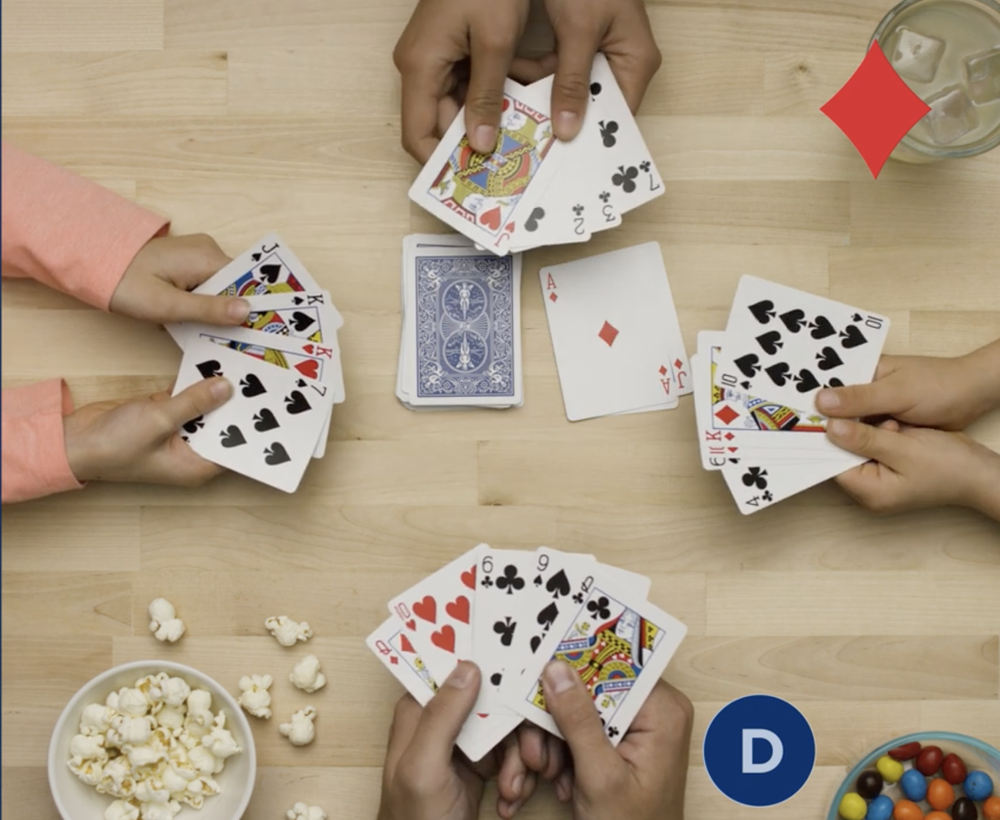
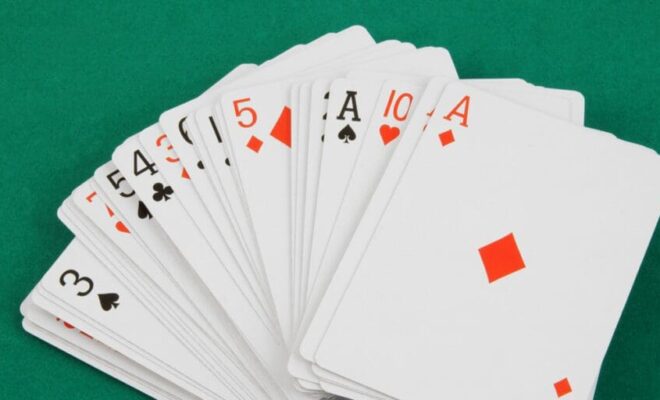
A card game is one of the simplest and most versatile forms of entertainment. With a small deck of cards and a clear set of rules, people can enjoy countless types of games with friends, family, or other players. Some games are based mainly on chance, while others depend on memory, planning, observation, or strategic decision-making.
Card games have remained popular for generations because they are easy to carry, inexpensive to organize, and adaptable to different situations. From casual family gatherings to competitive tournaments, they can provide entertainment for players with very different interests and skill levels.
What Is a Card Game?
A card game is an activity played using cards as the main components. Players follow a specific set of rules to achieve an objective, such as collecting certain cards, forming combinations, reaching a target score, or defeating an opponent.
The structure of a card game can vary greatly. Some games involve only two players, while others are designed for larger groups. Some rounds may last just a few minutes, whereas more complex games can continue for much longer.
Common features may include:
- A standard or specialized deck
- A defined number of players
- Rules for dealing and playing cards
- A specific objective
- A method for determining the winner
This flexibility is one of the main reasons card games remain widely enjoyed.
Different Types of Card Games
There is no single format that defines every card game. Different categories offer different experiences depending on what players enjoy.
Strategy games require players to think ahead, evaluate options, and make decisions based on the cards available to them. Success may depend on planning several moves in advance.
Trick-taking games involve players competing to win individual rounds, commonly called tricks. Players often need to consider which cards have already been played.
Matching games focus on finding pairs, groups, or other combinations. These games can be particularly accessible to younger players and beginners.
Solitaire-style games are generally designed for individual play. They can be a relaxing way to spend time while also encouraging concentration and problem-solving.
Collectible and customizable games introduce specialized cards with different abilities or values. Players may build their own decks and develop strategies around the cards they choose.
Why Card Games Are So Popular
The appeal of card games comes from their combination of simplicity and variety. A deck can support many different games, meaning players do not need a large collection of equipment.
Cards are also portable. A deck can easily fit into a bag, drawer, or pocket, making it convenient for travel, family visits, or casual gatherings.
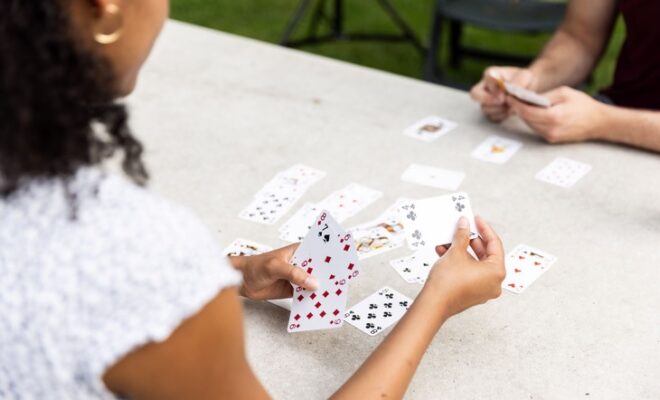
Another advantage is that card games can encourage interaction. Players sit together, communicate, make decisions, and react to what happens during the game. This can make a simple deck of cards a useful tool for social entertainment.
Skills Developed Through Card Games
While many people play simply for fun, certain card games can encourage useful mental and social skills.
Depending on the game, players may practice:
- Memory and concentration
- Logical reasoning
- Pattern recognition
- Decision-making
- Strategic planning
- Basic probability awareness
- Communication and cooperation
Games that require players to remember previously played cards can strengthen attention. Strategy-based games may encourage players to consider consequences before making a decision.
For children, age-appropriate card games can also introduce concepts such as numbers, matching, turn-taking, and following instructions in an enjoyable way.
Card Games and Social Connection
Card games have traditionally been associated with social gatherings. Families may play together during holidays, friends may use them as casual entertainment, and clubs may organize regular sessions for enthusiasts.
The shared nature of many games encourages conversation. Players often discuss moves, react to unexpected outcomes, and enjoy friendly competition.
Even when players do not take the outcome seriously, the activity itself can create memorable experiences. A familiar game can bring people together without requiring complicated preparation.
Choosing the Right Card Game
The best card game depends on the players, setting, and amount of time available. Beginners may prefer games with short rules and straightforward objectives. Experienced players may enjoy more complex formats that offer deeper strategic choices.
Before starting a game, it can help to consider:
- How many people will participate?
- How much time is available?
- Are the players beginners or experienced?
- Is the game competitive or cooperative?
- What level of strategy is appropriate?
Choosing a suitable game makes it easier for everyone to participate and enjoy the experience.
The Role of Chance and Skill
Different card games balance chance and skill in different ways. In some games, the cards dealt to a player have a major influence on the outcome. In others, strategic decisions can strongly affect how the game develops.
This combination can make card games particularly engaging. Players must work with the cards they receive while deciding how best to use them.
Games involving chance can provide unpredictability, while strategic elements give players opportunities to make meaningful choices. The balance between these factors differs from one game to another.
Card Games in the Digital Age
Technology has changed how people access and play card games. Many traditional games are now available in digital formats, allowing players to compete against computer-controlled opponents or other people remotely.
Digital versions can automatically handle tasks such as dealing, scoring, and enforcing rules. This makes some games easier to learn and play.
However, physical cards continue to have a strong appeal. Sitting around a table with other players offers a personal and social experience that digital platforms cannot always reproduce.
Conclusion
A card game can be much more than a simple pastime. It can provide entertainment, encourage strategic thinking, strengthen concentration, and bring people together. Its flexibility allows players to choose from simple family activities to challenging competitive experiences.
Whether using a traditional deck or a modern specialized set, card games continue to prove that enjoyable entertainment does not need to be complicated. Their combination of accessibility, variety, and social interaction ensures that they remain a valuable part of recreational culture.