
Card Game: Exploring the Fun, Strategy, and Variety
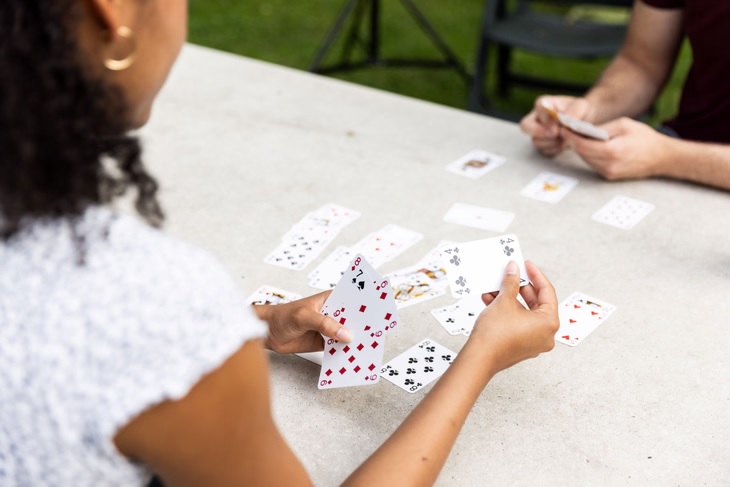
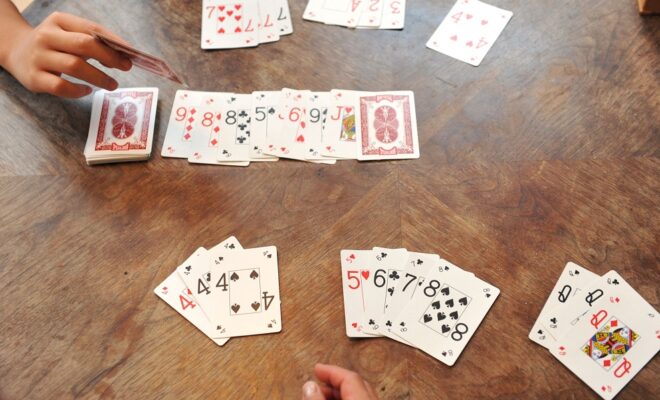
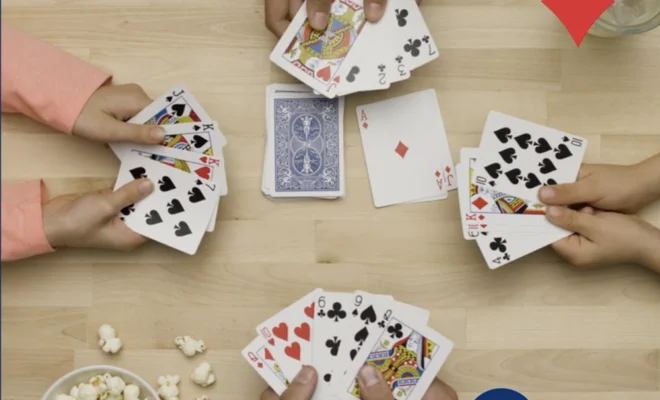
A card game is a classic form of entertainment that can bring people together in almost any setting. Whether played around a table with family, during a friendly gathering, or through a digital platform, card games offer a flexible way to enjoy competition and relaxation. Their simple equipment and wide range of rules make them suitable for beginners as well as experienced players.
Some card games depend heavily on luck, while others require careful planning and decision-making. Many combine both elements, creating an unpredictable experience where players must adapt to changing circumstances. This balance is a major reason card games continue to attract people of different ages.
Understanding Card Games
A card game uses cards as the primary equipment and follows a specific set of rules. Players may be required to collect particular cards, create combinations, achieve a target score, or compete directly against opponents.
The structure depends on the individual game. Some are designed for one person, while others can accommodate two or more participants. A short game may take only a few minutes, while more detailed games can continue for an hour or longer.
Despite these differences, most card games share a few basic elements:
- Players receive cards according to established rules.
- Cards have values, symbols, colors, or special functions.
- Players take turns or follow a defined sequence.
- Each game has a specific objective.
- The rules determine how the winner is decided.
Learning these basic elements makes it easier to understand almost any new card game.
A Wide Variety of Games
One of the greatest strengths of card games is their variety. A single deck can support numerous styles of play, and specialized decks can create even more possibilities.
Some games focus on collecting matching cards or building combinations. Others involve taking tricks, managing a hand, or trying to reach a certain score. There are also games where players compete to remove all their cards first.
Strategic card games often require players to think several steps ahead. They may need to decide when to use a valuable card, when to hold back, and how to respond to an opponent’s actions.
For people who prefer quieter activities, individual card games provide a different experience. These games can be played alone and often focus on organization, pattern recognition, and problem-solving.
The Balance Between Luck and Skill
Many card games combine luck with skill. The cards a player receives may be determined by chance, but what happens afterward can depend on the player’s decisions.
This creates an interesting challenge. A strong hand does not always guarantee success, and a weaker hand can sometimes be managed effectively through thoughtful choices.
Skill can involve several abilities, including:
- Remembering previously played cards
- Understanding probabilities
- Recognizing useful patterns
- Predicting possible moves
- Managing limited resources
- Adjusting plans when circumstances change
The importance of each skill depends on the rules of the particular game.
Why People Enjoy Playing Cards
Card games can be entertaining because they create a clear objective while leaving room for unexpected outcomes. Players may begin a round with one plan and have to change it after new cards appear.
The social aspect is equally important. A card game can encourage conversation, laughter, friendly competition, and cooperation. Even when players care about winning, the shared experience can be the main attraction.
Card games are also convenient. Unlike many other forms of entertainment, they generally require very little equipment. A deck can be stored easily and carried almost anywhere.
Benefits Beyond Entertainment
Playing an appropriate card game can support several useful skills. Children can learn basic concepts such as counting, matching, turn-taking, and following instructions. Adults may enjoy games that encourage concentration and strategic thinking.
Regular gameplay can also provide an opportunity to practice patience. Players often have to wait for their turn, observe what others are doing, and make decisions without rushing.
Some games encourage communication and teamwork, particularly when players work in pairs or groups. This can make them useful for social activities and family gatherings.
Choosing a Game for Your Group
Not every card game is suitable for every group. The right choice depends on the number of players, their experience, and how much time they want to spend playing.
When selecting a game, consider:
- Player count: Make sure the game supports the number of participants.
- Difficulty: Choose rules that match the group’s experience.
- Playing time: A short game may be better for casual gatherings.
- Competition level: Some groups prefer relaxed games, while others enjoy serious challenges.
- Age suitability: Choose rules and themes appropriate for everyone involved.
A good choice can make the experience enjoyable from the first round.
Physical and Digital Card Games
Traditional card games continue to have a strong place in social entertainment. Physical cards create a hands-on experience and allow players to sit together and interact directly.
Digital card games offer a different kind of convenience. Players can access games from computers, tablets, or mobile devices. Digital systems can automatically shuffle cards, calculate scores, and explain certain rules.
Both formats have advantages. Physical games are often better suited to face-to-face gatherings, while digital versions can make it easier to play with people who are in different locations.
Building Better Card Game Experiences
A positive card game session does not depend entirely on who wins. Clear communication and respect for the rules can make the activity more enjoyable for everyone.
Players should understand the objective before beginning. If the rules are unfamiliar, it is helpful to explain them gradually rather than overwhelming new participants with every detail at once.
Good sportsmanship also matters. Winning can be exciting, but keeping the atmosphere friendly ensures that everyone has a reason to participate again.
Conclusion
Card games remain popular because they offer an impressive amount of variety using a simple format. They can be competitive or relaxed, strategic or luck-based, social or individual.
From learning basic rules with family members to exploring challenging games with experienced players, there is a card game for almost every preference. Their portability, accessibility, and ability to encourage interaction have helped them remain relevant despite the growth of modern entertainment.
At their best, card games provide more than a way to pass time. They create opportunities to think, communicate, compete, and enjoy meaningful moments with other people.