
Slot: Understanding the Popular Gaming Format
A slot is a popular form of entertainment built around simple controls, colorful themes, and randomly generated outcomes. The format has developed significantly over the years, moving from traditional mechanical machines to modern digital experiences. Despite these changes, the basic appeal remains straightforward: players interact with a game, watch symbols appear, and discover the result of each round.
The simplicity of the format makes it easy for newcomers to understand. At the same time, different themes, features, and designs provide variety for people who enjoy exploring different gaming experiences.
What Is a Slot?
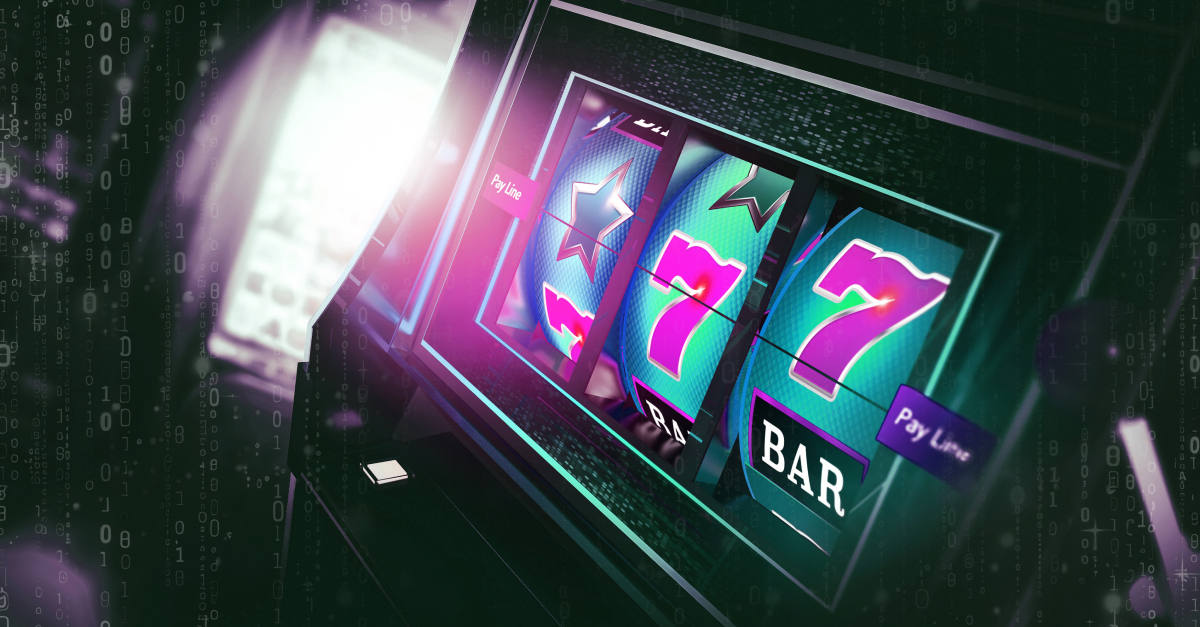
A slot is a game that typically displays several reels containing different symbols. When the game is activated, the reels appear to spin before stopping to reveal a combination of symbols.
Traditional machines used physical reels, while modern versions usually operate digitally. The outcome is determined by a random number generation system, which means individual results cannot be reliably predicted.
Depending on the specific game, players may encounter different layouts, symbols, bonus features, and winning combinations. Some games use three reels, while modern designs may feature several reels and multiple ways to form combinations.
How Slot Games Work
The basic process is generally simple. A player selects the desired playing option, starts a round, and waits for the reels to stop.
Once the symbols are displayed, the game checks whether the resulting combination meets one of its defined conditions.
Common elements include:
- Reels containing different symbols
- Paylines or winning combinations
- Special symbols
- Bonus rounds
- Multipliers or additional features
- Animated graphics and sound effects
The exact rules vary from one game to another, so players should understand the specific features before starting.
Traditional and Modern Slots
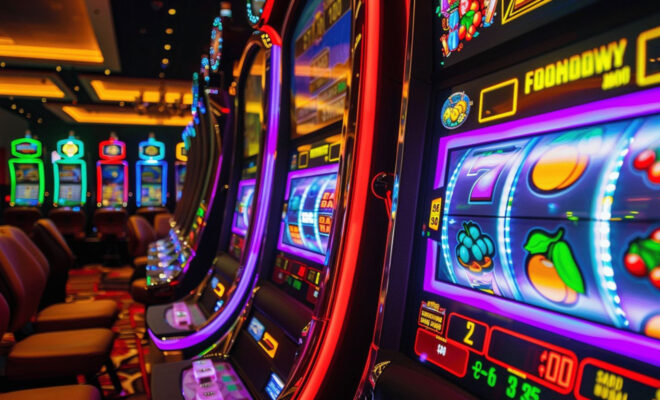
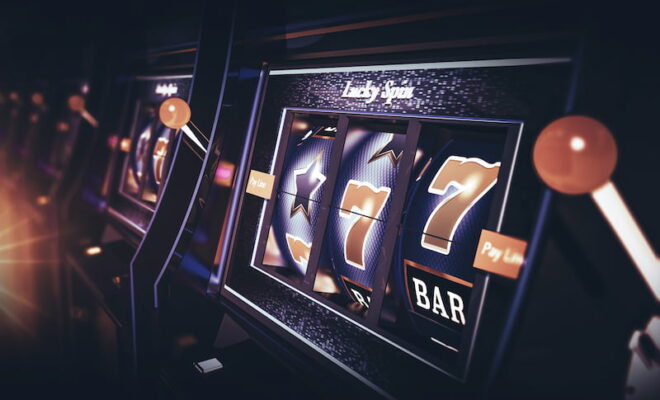
Traditional slot machines have a distinctive mechanical design. They usually contain physical reels and a limited number of symbols. Their straightforward appearance is still associated with the classic image of slot gaming.
Modern digital versions offer far more variety. Developers can create elaborate themes based on fantasy, adventure, history, nature, or fictional worlds. They can also introduce animations, interactive bonus rounds, and more complex reel arrangements.
Digital technology has therefore expanded the creative possibilities of the format while preserving its basic structure.
The Importance of Random Outcomes
Chance is central to how slots operate. Modern games generally use random number generation to determine outcomes. Each round is independent, meaning previous results do not provide a reliable way to predict what will happen next.
This is important for understanding the nature of the game. A sequence of losses does not automatically mean that a winning result is due, and a previous win does not guarantee another one.
Players should therefore approach each round as an independent event rather than trying to identify patterns that cannot reliably predict future results.
Why Slots Attract Players
One reason slots remain popular is their accessibility. Players do not usually need to learn complicated rules before understanding the basic interaction.
The visual presentation also contributes to the experience. Bright graphics, themed symbols, music, and animations can make individual games feel distinctive.
Other appealing characteristics include:
- Simple controls
- Fast individual rounds
- Wide range of themes
- Different game designs
- Easy-to-understand objectives
- Interactive bonus features in some formats
For many people, the attraction comes from entertainment rather than complexity.
Themes and Game Design
Modern slot design places significant emphasis on themes. A game may use a particular setting, visual style, or storyline to create a recognizable identity.
A strong theme can make a game more memorable. Symbols, background graphics, sound effects, and animations can all work together to create a consistent atmosphere.
Game developers also experiment with different layouts. Instead of relying only on traditional paylines, some modern games use alternative systems for creating winning combinations. These changes give players a broader range of formats to explore.
Understanding Features
Different slot games may include special features that change how individual rounds work. These can include wild symbols, bonus symbols, free-play features, or multiplier effects.
A wild symbol may substitute for another symbol in certain situations. Bonus symbols can sometimes trigger an additional feature when specific conditions are met.
Because features vary widely, reading the rules or information provided with a game is important. Understanding how a feature works can prevent confusion and help players know what to expect.
Responsible Participation
When a slot involves real money, responsible participation becomes especially important. Because outcomes are based on chance, there is no guaranteed method for producing consistent profits.
Players should establish limits before beginning and treat the activity as entertainment rather than a dependable source of income.
Helpful habits include:
- Setting a spending limit
- Avoiding attempts to recover losses
- Taking regular breaks
- Understanding the rules before playing
- Stopping when the activity is no longer enjoyable
A clear budget can help keep recreational gaming within comfortable boundaries.
The Evolution of Slot Experiences
The history of slots shows how technology can transform a familiar format. Mechanical machines gradually gave way to electronic systems, and digital platforms later introduced increasingly sophisticated graphics and features.
Modern developers can create experiences that would have been difficult to achieve with physical reels. However, the essential idea remains recognizable: symbols are arranged through a random process, and the resulting combination determines the outcome.
This balance between traditional structure and modern design has helped slots maintain their place in the entertainment industry.
Conclusion
A slot is a straightforward gaming format that has evolved from mechanical machines into highly visual digital experiences. Its simple controls, variety of themes, and random outcomes make it accessible to a broad audience.
Understanding how the format works is important, particularly when real money is involved. The outcome of each round is based on chance, so there is no dependable strategy that can guarantee success.
When approached responsibly and within appropriate limits, slots can be understood as a form of recreational entertainment. Their continuing development demonstrates how a simple concept can adapt to changing technology while retaining its familiar appeal.