
Slot: Exploring the Features and Appeal of Modern Slot Games
A slot is a widely recognized form of gaming entertainment that has changed considerably with advances in technology. What began as a simple mechanical machine has developed into a broad category of digital games featuring distinctive themes, visual effects, and interactive features.
The basic concept remains easy to understand. Players activate a game, reels or symbols change, and the final arrangement determines the result according to the game’s rules. This straightforward structure is one of the main reasons the format continues to attract attention.
What Is a Slot Game?
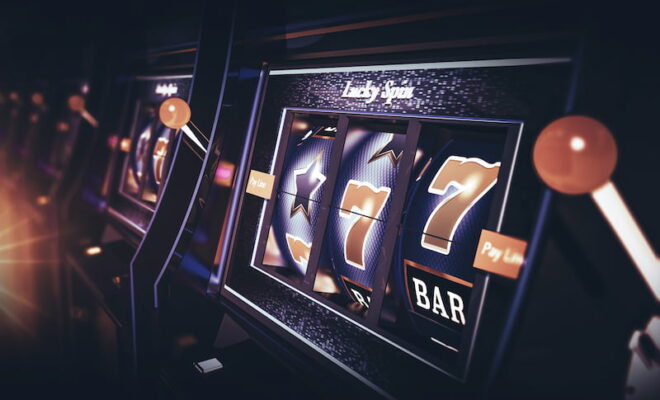
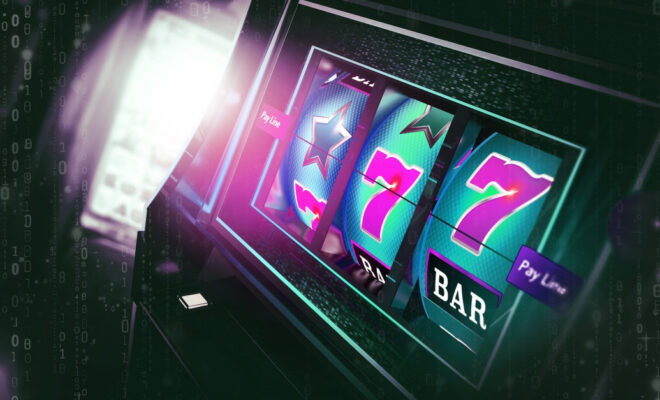
A slot game usually consists of reels containing different symbols. When a round begins, the reels change position and eventually stop, displaying a new combination.
Traditional machines relied on physical reels, while modern versions generally use digital technology. Despite the difference in appearance, both formats are based on the same basic idea of generating combinations and determining outcomes according to predefined rules.
Modern games can vary significantly in their layout. Some use familiar reel arrangements, while others introduce unusual designs, additional symbols, or alternative ways of creating combinations.
How a Slot Round Works
A typical round follows a simple sequence. The player chooses an available option, activates the game, and waits for the result.
The game then determines the outcome using its programmed randomization system. If the displayed combination meets the conditions for a particular result, the corresponding outcome is applied according to the rules.
Important elements can include:
- Reels and symbols
- Winning combinations
- Special symbols
- Bonus features
- Multipliers
- Game-specific rules
Each game can have its own structure, so understanding the information provided before playing is useful.
The Development of Slot Games
Early slot machines were mechanical and relatively limited in design. Their reels were physically operated, and their symbols were generally simple and recognizable.
Electronic technology introduced greater flexibility. Machines could offer more combinations and additional features without requiring the same mechanical complexity.
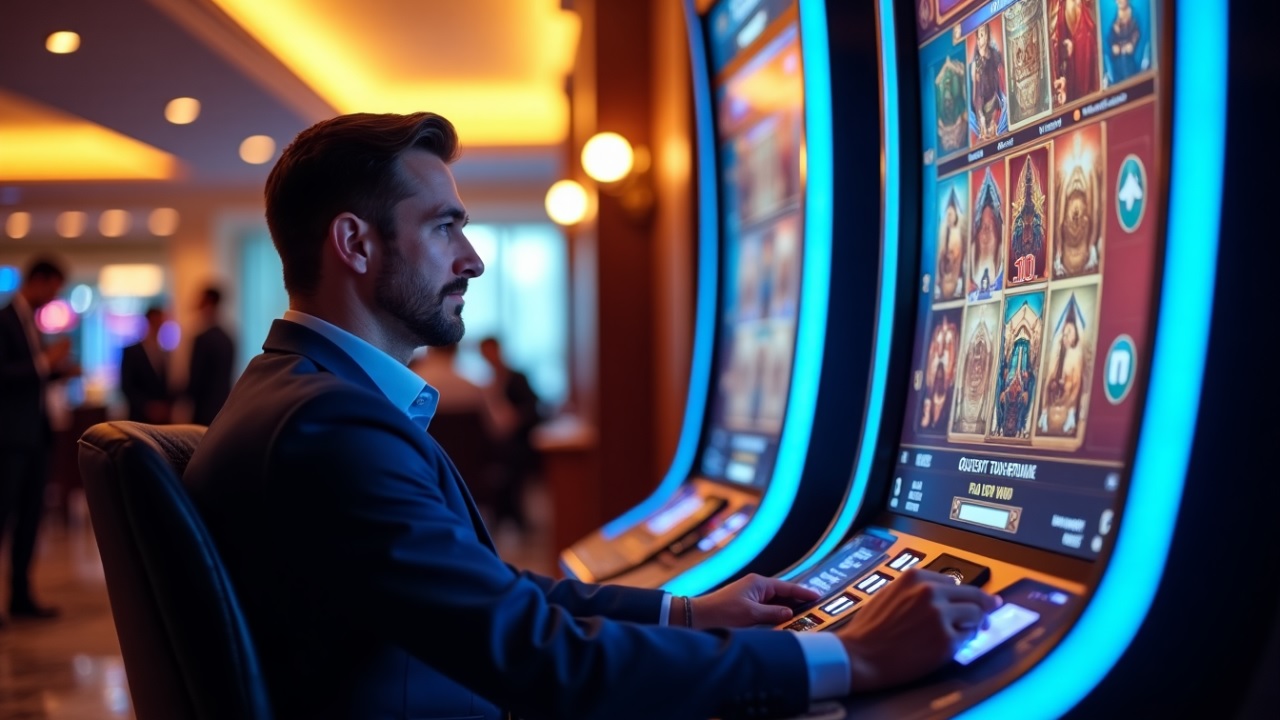
Digital development expanded the possibilities even further. Modern slot games can include animation, sound, multiple screens, interactive bonus sections, and detailed visual themes.
This evolution has allowed developers to create experiences that look and feel very different from traditional machines while maintaining the familiar reel-based concept.
The Role of Randomness
Randomness is a fundamental part of slot gaming. Each round is generally determined independently through a random number generation process.
This means previous outcomes do not create a reliable prediction for the next result. A series of unsuccessful rounds does not necessarily mean that a successful outcome is about to occur.
Understanding this principle can help players maintain realistic expectations. There is no dependable pattern that guarantees a particular result from future rounds.
Why Players Find Slots Interesting
The simplicity of slots makes them accessible. Players generally do not need to spend a long time learning complex rules before understanding the basic interaction.
Visual presentation is another important factor. Developers can use different themes and creative designs to give each game a distinctive identity.
Some common attractions include:
- Straightforward controls
- Short rounds
- A wide range of themes
- Engaging visual presentation
- Different symbol combinations
- Additional features in some games
The variety means players can encounter very different experiences within the same general format.
Themes and Creative Design
Themes play an important role in modern slot development. A game might use concepts inspired by adventure, mythology, nature, technology, fantasy, or other imaginative settings.
Graphics, sounds, symbols, and animations can all support the chosen theme. A consistent design can make the experience more engaging and easier to distinguish from other games.
Some games also use stories or progressive features to create a stronger sense of interaction. These additions are primarily designed to enhance presentation and entertainment value.
Common Special Features
Modern slots can contain features that are not found in basic traditional machines. These may change the way symbols interact or introduce additional stages within a game.
For example, a wild symbol may have the ability to replace certain other symbols. A bonus symbol may activate a separate feature when specific conditions are met.
Other games may include multipliers, additional rounds, or special symbol arrangements.
Because these features differ from game to game, players should review the rules before beginning. Knowing what each symbol and feature does makes the experience easier to understand.
Responsible Gaming Matters
When slots involve money, responsible participation is essential. The random nature of the format means that there is no guaranteed method of achieving a particular financial result.
Players should establish boundaries before playing and avoid treating gaming as a source of regular income.
Responsible habits can include:
- Setting a clear spending limit
- Playing only with money intended for entertainment
- Avoiding attempts to recover previous losses
- Taking breaks during longer sessions
- Understanding the rules and costs involved
Keeping these principles in mind can help maintain a healthier relationship with recreational gaming.
Physical and Digital Formats
Physical slot machines remain recognizable in entertainment venues, but digital versions have expanded access to the format.
Digital games can provide more elaborate graphics, sound, and interactive features. They can also update or display information automatically, making some aspects of the experience more convenient.
Physical machines, meanwhile, offer a tangible experience that many people associate with traditional gaming environments.
Both formats demonstrate how the same basic concept can be presented in different ways.
The Future of Slot Gaming
Technology will likely continue influencing how slot games are designed. Improved graphics, more interactive features, and new forms of digital entertainment may create increasingly varied experiences.
However, the fundamental principles are unlikely to disappear. Random outcomes, recognizable symbols, and simple interaction remain central to the format.
The continued development of slots demonstrates how traditional entertainment can adapt to modern technology without losing its original identity.
Conclusion
A slot game combines simple interaction with a wide range of themes, designs, and features. From mechanical machines to sophisticated digital formats, the category has continually evolved to reflect changes in technology and entertainment preferences.
The most important point to understand is that outcomes are determined by chance and cannot be reliably predicted. Anyone choosing to participate, particularly where money is involved, should understand the rules and establish sensible limits.
With its accessible structure and constantly changing presentation, the slot remains a distinctive form of entertainment that has successfully adapted to the modern gaming landscape.