
Casino: Exploring the World of Gaming, Strategy, and Entertainment

Casinos have long captured human imagination, serving as centers of entertainment, social interaction, and economic activity. A casino is not merely a place for gambling; it represents a fusion of mathematics, psychology, strategy, and culture. From the elegant halls of Monte Carlo to the bustling digital platforms of today, casinos offer an immersive experience where chance meets skill. This article provides a comprehensive exploration of casinos, examining their history, operations, types of games, strategies, economic impact, and modern innovations.
The History and Evolution of Casinos
The origins of the casino trace back centuries. Early forms of gambling appeared in ancient civilizations, including Mesopotamia, Greece, and Rome, where dice and rudimentary betting systems were common. However, the modern concept of a casino began in 17th-century Italy. Venice became a hub for public gaming houses, offering card games, dice, and lottery-style games to aristocrats and merchants alike.
By the 19th century, casinos expanded across Europe and the United States. In Monte Carlo, the establishment of the famous Casino de Monte-Carlo in 1863 set a benchmark for luxury and entertainment. In the United States, the development of Las Vegas and Atlantic City transformed casinos into global destinations for tourism, leisure, and high-stakes gambling. Casinos have since evolved from exclusive gambling houses to multifunctional entertainment venues encompassing hotels, restaurants, shows, and conferences.
Understanding Casino Operations
Casinos operate through a complex system designed to balance profitability with player engagement. Key aspects of casino operations include:
- House Edge: Every casino game is designed with a built-in advantage for the house, ensuring long-term profitability. Games like blackjack, poker, and roulette feature calculated odds that favor the casino while still offering players opportunities to win.
- Game Variety: Casinos offer table games, slot machines, sports betting, poker rooms, and increasingly, digital and virtual games. Each game type has unique rules, probabilities, and payout structures.
- Security and Regulation: To maintain fairness, casinos employ sophisticated security systems, surveillance, and compliance protocols. Regulatory oversight ensures that operations meet legal standards for gambling and consumer protection.
- Customer Experience: Luxury, ambiance, service quality, and entertainment options are crucial for attracting and retaining patrons. Casinos often combine gambling with fine dining, live performances, and leisure activities.
The integration of operational precision, entertainment, and regulatory compliance underpins the success and sustainability of modern casinos.
Casino Games: Types and Mechanics
Casino games can be broadly categorized based on skill, chance, and interaction:
Table Games
Table games include blackjack, roulette, baccarat, craps, and poker. Each requires a combination of probability analysis, strategy, and psychological insight.
- Blackjack: Players aim to achieve a hand total closer to 21 than the dealer without exceeding it. Strategic decisions, probability calculation, and card counting are central to successful play.
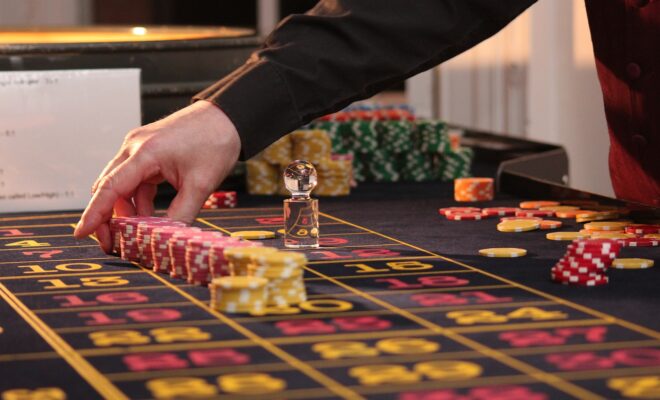
- Roulette: A wheel-based game where players bet on numbers, colors, or combinations. Outcomes are purely random, though betting strategies like the Martingale system attempt to manage risk.
- Poker: A skill-intensive game emphasizing probability, bluffing, and psychological insight. Variants include Texas Hold’em, Omaha, and Seven-Card Stud.
Slot Machines
Slot machines are one of the most popular casino attractions due to their simplicity and high entertainment value. Modern machines use random number generators (RNGs) to determine outcomes, ensuring fairness while offering progressive jackpots and bonus features.
Sports Betting and Wagering
Casinos increasingly integrate sports betting, offering patrons the ability to wager on events ranging from football and basketball to horse racing and esports. Odds are calculated based on statistical analysis, team performance, and market demand.
Digital and Online Casinos
The digital revolution has expanded casinos into online platforms, providing virtual table games, live dealer experiences, and mobile-accessible slots. Advanced technologies, including AI-driven personalization and secure payment systems, enhance accessibility and player engagement.
Strategies for Successful Casino Play
While chance governs outcomes in many casino games, strategic approaches can optimize player experience and minimize losses:
- Bankroll Management: Setting limits on betting amounts, session duration, and losses ensures responsible gaming.
- Game Knowledge: Understanding rules, odds, and strategies enhances decision-making and reduces the house edge in skill-based games.
- Pattern Recognition: In games like blackjack or poker, tracking cards or opponent tendencies provides strategic advantages.
- Emotional Discipline: Maintaining composure under winning or losing streaks prevents impulsive decisions and promotes rational play.
Skilled casino players combine mathematics, psychology, and discipline to improve outcomes while preserving the entertainment value of gaming.
Economic Impact of Casinos
Casinos contribute significantly to local and national economies through employment, tourism, taxation, and community development:
- Employment Opportunities: Casinos create jobs ranging from dealers, security personnel, hospitality staff, and administrative roles.
- Tourism and Hospitality: Casino destinations attract millions of visitors annually, boosting hotels, restaurants, and ancillary services.
- Tax Revenue: Governments levy taxes on casino revenue, contributing to public services, infrastructure, and community programs.
- Community Investment: Many casinos invest in local projects, charitable initiatives, and urban development, reinforcing social engagement.
The economic influence of casinos underscores their importance beyond entertainment, positioning them as critical drivers of regional growth.
Psychological and Social Considerations
Casinos are designed to engage multiple psychological triggers, influencing behavior and enhancing the gaming experience:
- Reward Systems: Near-miss outcomes, jackpots, and tiered rewards stimulate dopamine release, reinforcing engagement.
- Social Interaction: Table games and communal areas foster socialization, competition, and community bonds.
- Cognitive Stimulation: Strategy-based games encourage analytical thinking, probability assessment, and memory exercises.
- Responsible Gaming: Recognizing the risks of gambling addiction, modern casinos implement tools for self-exclusion, session limits, and counseling support.
Understanding these elements helps patrons enjoy the entertainment experience while mitigating potential negative effects.
Casino Design and Architecture
The physical and digital design of casinos plays a crucial role in player experience and engagement:
- Spatial Layout: Open floor plans, strategically placed games, and signage guide player flow and optimize accessibility.
- Lighting and Ambiance: Soft lighting, thematic decor, and comfortable seating enhance immersion and relaxation.
- Soundscapes: Music, ambient noise, and sound effects create excitement and reinforce the atmosphere of anticipation.
- Digital Interface Design: Online casinos emphasize intuitive navigation, responsive design, and interactive features to maintain engagement.
Effective design integrates sensory stimulation, psychological principles, and accessibility considerations to create memorable gaming experiences.
Innovations and the Future of Casinos
Casinos continue to innovate, blending technology with entertainment to meet evolving player expectations:
- Virtual and Augmented Reality: VR casinos create immersive environments where players interact with digital avatars and realistic game tables.
- Artificial Intelligence: AI-driven personalization recommends games, adjusts difficulty, and enhances player engagement.
- Blockchain and Cryptocurrencies: Some casinos integrate cryptocurrency payments and decentralized gaming systems, enhancing transparency and security.
- Gamification: Leaderboards, achievements, loyalty programs, and interactive mini-games increase retention and player satisfaction.
These innovations suggest a future where casinos are increasingly hybrid, combining physical, digital, and immersive experiences for a global audience.
FAQ Section
1. What is the primary purpose of a casino?
A casino provides entertainment through games of chance and skill while generating revenue for operators and contributing to the local economy through tourism, employment, and taxes.
2. How does the house edge work in casino games?
The house edge represents the statistical advantage the casino holds over players. It varies by game type, rules, and player strategy, ensuring long-term profitability for the casino.
3. Can strategy improve outcomes in casino games?
Yes, skill-based games like blackjack, poker, and baccarat allow players to leverage probability, psychology, and decision-making to optimize performance, though luck remains a factor.
4. What are the risks of casino gambling?
Risks include financial loss, gambling addiction, and emotional stress. Responsible gaming practices, self-exclusion tools, and setting betting limits help mitigate these risks.
5. How have online casinos changed traditional gambling?
Online casinos offer virtual tables, live dealers, mobile access, AI-driven personalization, and interactive features, making gambling more accessible, convenient, and diverse.
6. How do casinos impact local economies?
Casinos create jobs, attract tourism, generate tax revenue, and often invest in community development, contributing significantly to regional economic growth.
7. What is the future of casinos?
The future includes virtual reality, AI personalization, blockchain integration, gamification, and hybrid physical-digital experiences, enhancing both accessibility and player engagement.
Casinos represent a sophisticated fusion of chance, skill, and entertainment. They are dynamic spaces where economics, psychology, and strategy converge, offering engaging experiences for players while contributing to broader social and economic frameworks.